In these troubled times, real estate has once again proven itself as an investment safe haven. Not only does it provide a roof for families and friends, but it also protects holdings through thick and thin. It thus acts as a compass, and even more so when it comes to luxury real estate.
The 120 BARNES offices worldwide are unanimous: in 2022 as in 2020 and 2021, wealthy individuals looked to houses, villas, apartments, chalets, private mansions and châteaux for one principal reason — their net worth is guaranteed. And this seemingly protective modus operandi also doubles up as an entrepreneurial strategy.
"Entrepreneurs naturally replicate the keys to their success in business in their property transactions. Starting with the quest for profitability." — Stanislas de Quercize, Founder & CEO of SAVIH
Luxury real estate has broadened in scope and purpose. In addition to "lifestyle" purchases, "rational" purchases follow a logic of entrepreneurship. Wealthy families naturally find it easier to adapt to the constraints brought about by crises, but flexibility, inventiveness and resilience are the three characteristics that unite these entrepreneurs, whichever continent they come from.
Rentals: the new norm for luxury properties
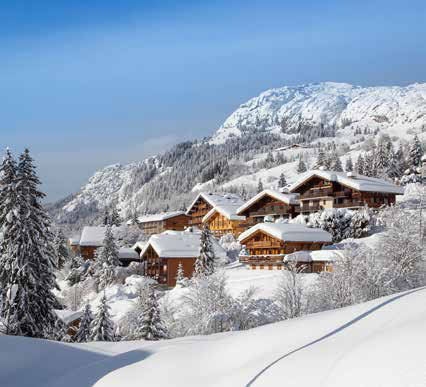
The first concrete sign of this trend is the renting out of properties when not used by their owners. What could be interpreted as a sign of financial weakness twenty years ago is now considered entirely normal. On both sides of the Atlantic, we are seeing a new generation of clients emerge who buy — either directly or via a purposely created company — second homes in St. Barts, in the Alps or in the Rockies to rent out straight away.
"Entrepreneurs know that you must be willing to take risks to make your money work for you. Real estate acts like a compass in a time of crisis, and is the best way to invest while protecting your interests. Especially if the goal is to leave something for future generations." — Thibault de Saint Vincent, President of BARNES